Feature
When Multiplex launched their "One Decade to Act" strategy – a roadmap to carbon zero – they didn't just want to communicate their plan. They wanted to lead the construction industry forward.
The insight that unlocked this? The multiplier effect.
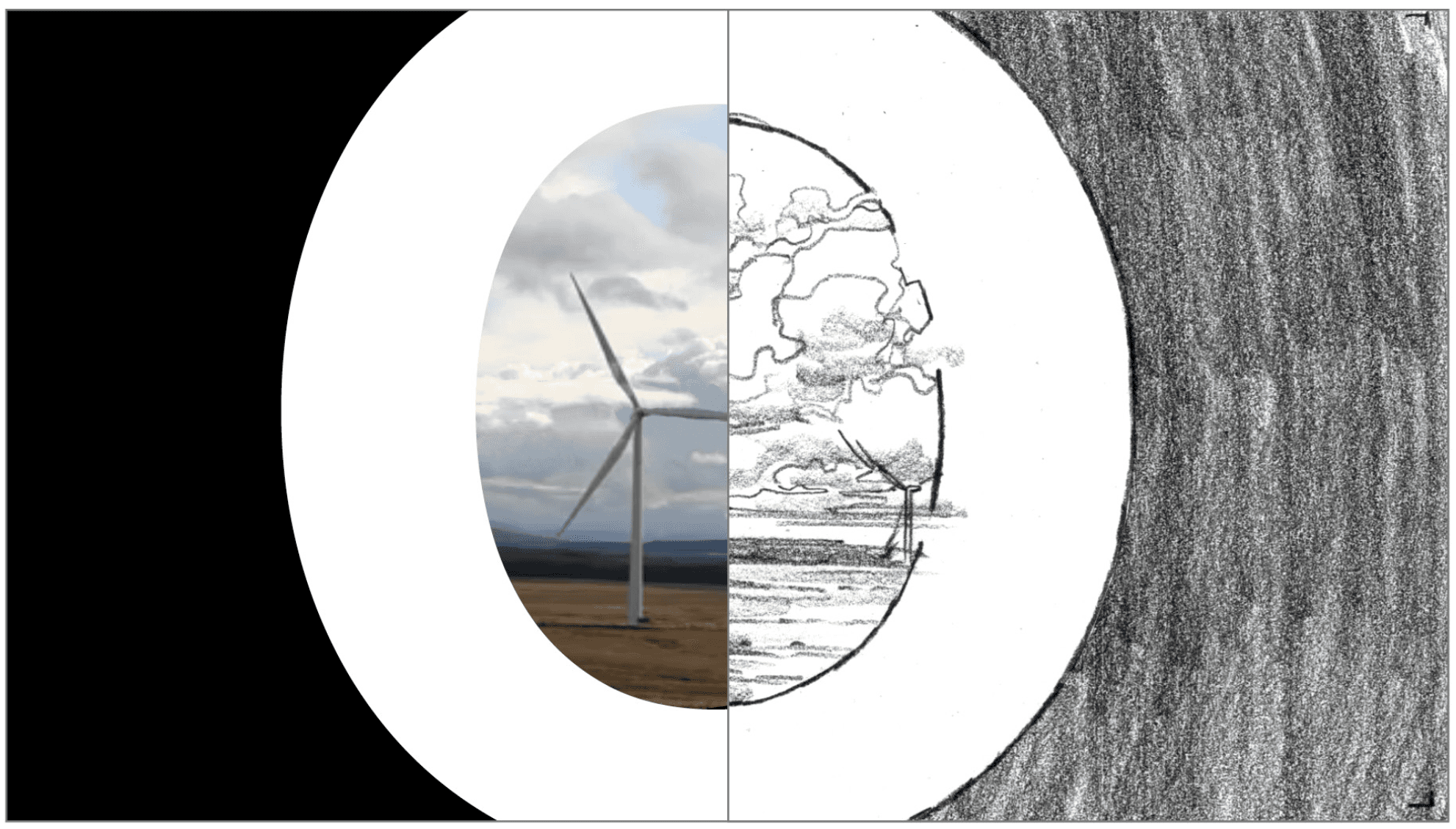
Leading through influence
By taking the lead on sustainability, Multiplex could inspire widespread impact across their sector while gaining both moral and economic rewards. This wasn't about being the largest construction company. It was about having a clear, coherent perspective backed by rigour and action.
We created a three-point approach: Educate. Engage. Empower. This became the foundation of their sustainability vision, guiding impactful engagement internally and across the industry.
What began as a communications strategy evolved into their broader culture program – a company-wide approach that empowered employees around a unified goal.
What sector leadership actually requires
Businesses become sector leaders when they:
Have a clear perspective on the problem they're solving
Back that perspective with concrete action
Communicate it consistently across every touchpoint
Inspire others in their industry to follow
This kind of leadership opens doors. New possibilities emerge for growth, talent, investment and commercial partnerships. Industry bodies take notice. Competitors start following your lead rather than the other way around.
For organisations shaping spaces, places, and the built environment, this approach is particularly powerful. The built environment sector faces enormous challenges – from decarbonisation to placemaking to community impact. The businesses that will lead this sector forward aren't necessarily the biggest. They're the ones with the clearest perspective on what needs to change and the most coherent approach to changing it.
More Articles